

“We shape our lives and we shape ourselves. The process never ends until we die. And the choices we make are ultimately our own responsibility…” — Eleanor Roosevelt
In the past, though I was aware and fully acknowledged that each one of us has some say as to how the course of our lives unraveled, I was somehow in deep denial that the way my life had turned out was entirely my own doing. I understood the concept of personal responsibility on an intellectual level, yet emotionally, I wasn’t quite ready to accept what that truly meant.
While I was more than happy to receive the accolades for all that I’d done right, I refused to take ownership of the mistakes, blunders, and adversities that came my way. Success felt validating and safe to claim, whereas failure felt heavy, shameful, and deeply uncomfortable to sit with.
In my mind, it was anyone’s and anything’s fault but mine — that I was never to blame for anything bad that happened in my life. Circumstances, timing, other people’s behavior, unfair situations — there was always something external I could point to.
After all, who in their right mind would sabotage their own joy and happiness by purposely making decisions that would harm themselves, right?
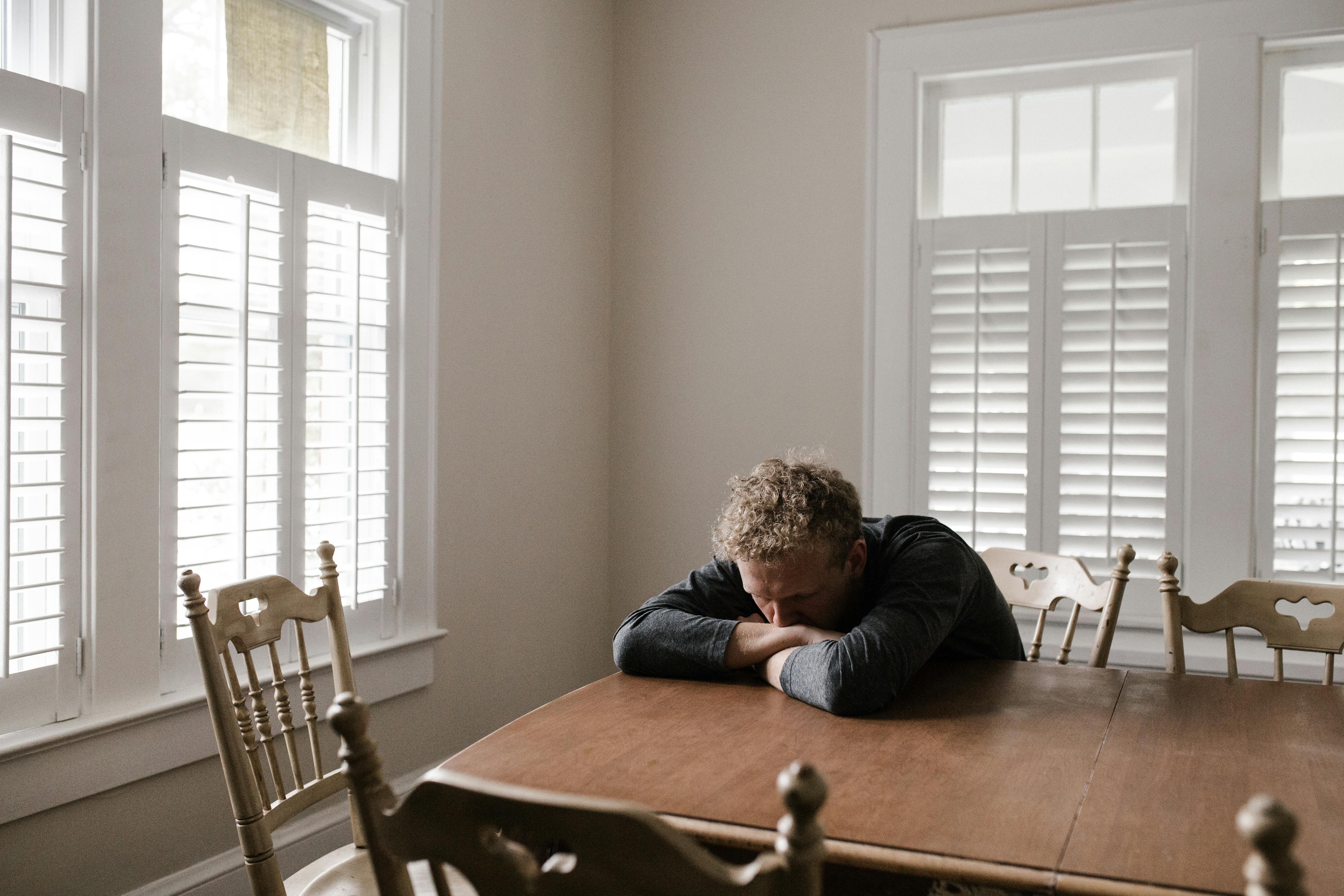
The thought that I was responsible for everything that had gone awry in my life was too obscenely painful to even fathom. Accepting that truth felt like admitting I had failed myself, and at the time, that felt far more unbearable than continuing to blame the outside world.
Not surprisingly, by deflecting the blame on anything, everyone else, or external circumstances that I had no control over, I found that similar unfortunate predicaments and the same old issues seemed to reappear time and again—just dressed up in different forms. Different people, different settings, yet the same underlying patterns persisted.
As the great Albert Einstein (apparently) said, “Insanity is defined as doing something over and over again, the same exact way, and expecting a different result.”
Based on this definition, there was no doubt that I was insane. In hindsight, it was extremely silly of me to think that things would go any differently without my own willingness to change. Yet at the time, I genuinely believed that if the external world shifted, my life would finally fall into place.
Fortunately, as the years went by and I became a tad wiser, it finally dawned on me that if I were to expect a different outcome — one that was more favorable and aligned — I would need to do things differently. And more importantly, I would need to show up differently.
As I became open to change, it became evident to me that I was the common denominator in all of the unpleasant situations that I faced. This realization was humbling, uncomfortable, and confronting. However, it was also empowering in ways I had never experienced before.

It also became clear to me that the more I insisted on deflecting responsibility and placing blame on others and/or external circumstances, the more I was perpetuating a vicious cycle of unfavorable situations. What I resisted taking ownership of continued to repeat itself.
This life-changing transition happened somewhere in my mid-20s, a time in my life when I ferociously read through personal development books as if it were my day job. I was searching — desperately — for answers, clarity, and a way out of the emotional patterns I felt trapped in.
It was then that I came across Jack Canfield’s book The Success Principles. Though all of the principles he delved into were important, one principle stood out to me the most: “Take 100% responsibility for your life.”
At first, this idea felt confronting. Even unfair. But the more I sat with it, the more it made sense.
We have all blamed at least someone and/or a circumstance for how our lives have unraveled short of our expectations. We blamed our parents for not letting us pursue our dreams, our boss for not giving us that promotion, our past relationships for breaking us, or our circumstances for holding us back—the list goes on and on.
In reality, all of the stories we’ve told ourselves about why others or external circumstances are at fault are merely elaborate excuses. Not because our pain wasn’t real, but because staying in blame robs us of our power to move forward.
While I am in no way dismissing our past pains and tribulations, we can’t expect to change for the better and move toward our best selves by dwelling on the past and blaming others for mistreating us. Healing requires acknowledgment, but growth requires responsibility.
As full-fledged adults, all the blame we’ve placed on our parents, teachers, or authority figures when we were children is no longer valid currency. At some point, accountability becomes the price of freedom.
If you desire a better way of living and to create a brighter life, accept that the blame game we’ve been playing has an expiration date.

Read more: 3 Powerful Things to Do to Help You Let Go of the Past
In order to create our best life, it’s crucial for us to take accountability. We must start to let go of the stories that keep us stuck in victimhood — as if we have no power over our own lives. Because the truth is, we are far more powerful than we’ve been led to believe.
However painful it may seem at first to admit that we are responsible for all the good—and most importantly, the bad and the ugly — that has happened in the past, know that this realization could be the very thing that finally sets us free.
Decide to courageously accept ownership of your own life, because only then can we truly learn, grow, and make better decisions moving forward.
Start by forgiving yourself for the mistakes of the past and stop dwelling on them. The past is the past, and you were only doing what you thought was best for you at the time, with the awareness and tools you had then.
Set yourself free from the stories you tell yourself to justify why you’ve not been able to create or live your best life once and for all.
Remember, YOU are the creator of your own life, and you have it within you to create that phenomenal life you’ve dreamed of.
As Maya Angelou so wisely said, “When we know better, we do better.”
Read more: 5 Actionable Tips to Make 2026 Your Best Year Yet (Backed by Goal-Setting Psychology)
PS: Taking responsibility for our lives isn’t about self-blame — it’s about meeting ourselves with compassion and honesty. As we release old stories and step into growth, self-acceptance becomes the foundation that allows true healing to happen.
If you’d like a moment to slow down and reconnect with calm, worthiness, and inner peace, I invite you to join a session of our “Nurture Self-Acceptance Guided Meditation.” If you’ve been feeling overwhelmed, not enough, or disconnected from yourself, this special 10-minute meditation offers a safe and supportive space to come back home within.
Ready to take ownership of your life and create meaningful change? Know that you don’t have to do it alone! Book a FREE Discovery Call with me and find out what’s possible when you fully step into your power…
Trackbacks/Pingbacks