
“We are not human beings having a spiritual experience. We are spiritual beings having a human experience.” — Pierre Teilhard de Chardin
The word spirituality can mean something different to almost everyone.
For some, it may bring to mind meditation, prayer, or a feeling of connection to something greater than ourselves. For others, spirituality may be deeply rooted in religious faith and expressed through worship, scripture, tradition, or a relationship with God.
And for some, it may simply be something they’re beginning to explore.
Personally, I consider myself both spiritual and religious. I’ve never viewed the two as mutually exclusive, and I don’t believe spirituality requires us to turn away from religion.
I believe the two can beautifully coexist. Spirituality is less about adopting a particular identity and more about cultivating a deeper relationship with life, with ourselves, with others, and with whatever we consider sacred.
But what exactly is spirituality — and how can we begin or deepen our own spiritual journey?
What Is Spirituality?
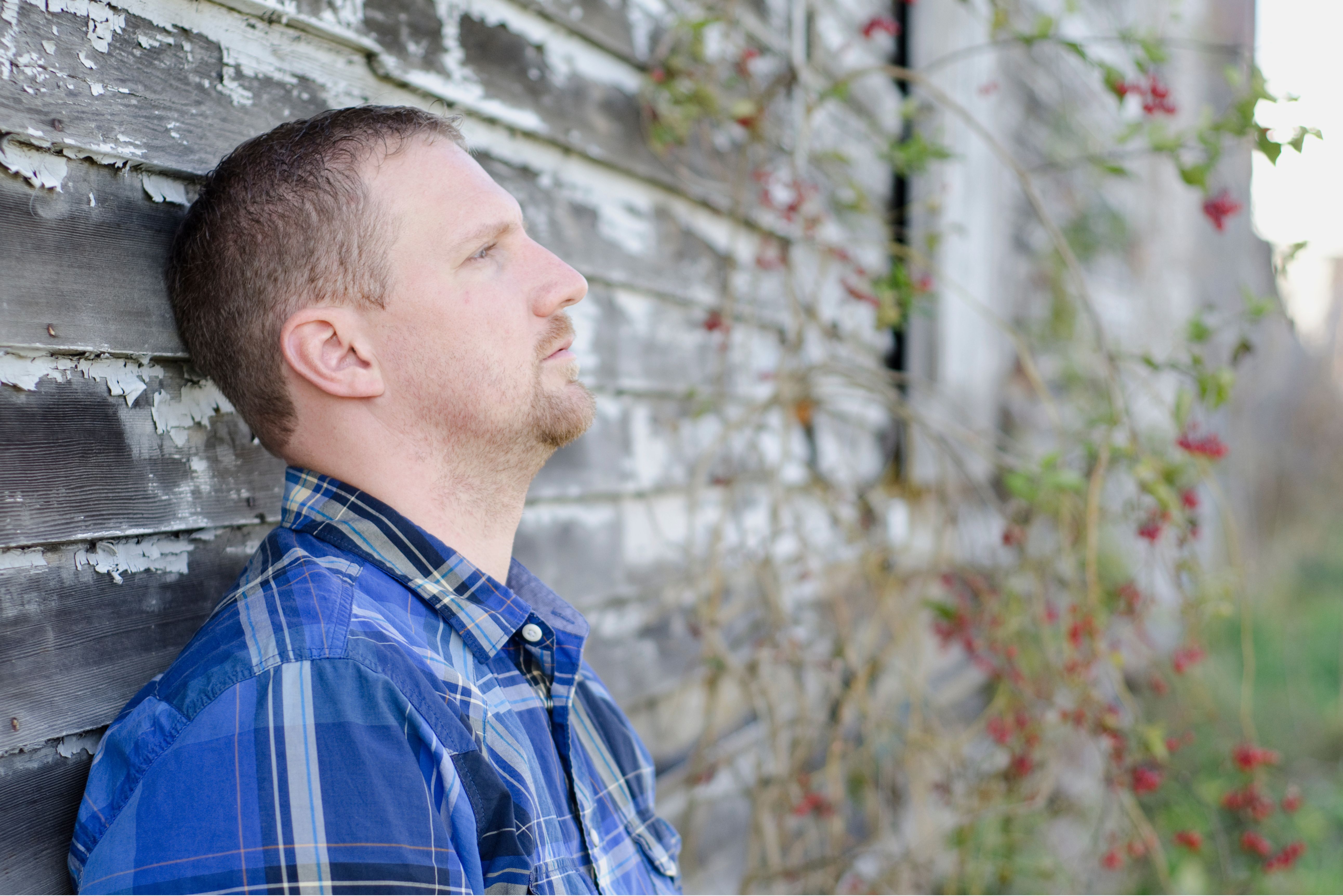
At its heart, spirituality is often tied with the questioning of some of life’s deeper questions. That curiosity can be the beginning of a spiritual journey. These question include (but certainly not limited to):
- Who am I?
- What gives my life meaning?
- What do I believe?
- What connects me to something greater than myself?
- What kind of person do I want to be?
Spirituality can involve a sense of purpose, meaning, connection, inner awareness, wonder, gratitude, compassion, or transcendence.
You might find yourself wanting to understand yourself more deeply, searching for greater meaning in your experiences, feeling drawn toward meditation or prayer, spending more time in nature, or simply sensing that there is more to life than the constant movements of everyday existence.
Is Spirituality a New Age Concept?
This is a common misconception.
While certain modern practices and ideas associated with the New Age movement have become closely linked with the word spirituality, spirituality itself is certainly far from a new concept.
Humans have been contemplating questions of meaning, purpose, existence, connection, and the sacred for thousands of years. Spiritual traditions can be found across cultures and throughout the world’s major religions, as well as in philosophical traditions that predate the modern New Age movement by centuries.
Prayer, contemplation, meditation, fasting, pilgrimage, connection with nature, acts of service, and reflection on the meaning of life are hardly modern inventions.
In other words, spirituality doesn’t belong to one particular movement, religion, philosophy, or belief system.
It actually can take many forms. And while some people may incorporate practices associated with the New Age into their spiritual lives, those practices don’t define spirituality as a whole.
Is Spirituality the Same as Religion?
This is where things can become a little confusing.
Spirituality and religion are sometimes portrayed as two opposing paths: religion is structured while spirituality is personal; religion is about rules while spirituality is about freedom.
But in my opinion, this comparison is far too simplistic. Religion can provide a framework through which people explore and express their spirituality. It can offer traditions, teachings, rituals, community, moral guidance, prayer, and a shared relationship with the sacred.
Spirituality, however, can describe the more personal and experiential dimension of that relationship.
For someone who is religious, spirituality may be deeply intertwined with their faith. While for someone else, spirituality may be experienced outside an organized religious tradition. And there are plenty of people who fall somewhere in between.
There doesn’t have to be a competition between the two.
Your spiritual life can exist alongside your religious beliefs, rather than instead of them. For me, that’s exactly how I experience it.
Spirituality Can Be Deeply Personal

One of the beautiful things about spirituality is that it doesn’t necessarily look the same for everyone.
Spirituality might mean beginning each morning with prayer, for another, it might mean sitting quietly in meditation.
Someone else may feel most connected while walking through a forest, watching a sunset, creating art, helping another person, or simply being fully present in an ordinary moment.
There are countless ways of experiencing a sense of connection and meaning. And that means your spiritual journey doesn’t have to look like anyone else’s.
You don’t need to adopt someone else’s rituals, beliefs, vocabulary, or practices simply because they seem “spiritual.” Instead, you can become curious about what genuinely resonates with you.
How Can You Begin Your Spiritual Journey?
If spirituality is new to you, you don’t need to completely overhaul your life. I’d suggest to begin much more simply through these practices:
1. Make Space for Stillness
Our days can become filled with noise, whether they’re coming from notifications, conversations, responsibilities, entertainment, and an endless stream of information.
Finding even a few quiet moments can give us the opportunity to hear our own thoughts and become more aware of what’s happening within us.
Try sitting quietly for five minutes without reaching for your phone. You don’t have to clear out your thoughts completely. Learn to embrace being still.
Sometimes, spirituality begins with simply creating enough quiet to listen. Notice your breath. Notice your thoughts. And notice how you feel.
If you’d like to explore spirituality through meditation, you can check out our Spirituality Guided Meditations playlist, featuring practices designed to support reflection, inner connection, and greater awareness.
2. Become More Curious
Instead of feeling that you need to immediately find answers, allow yourself to ask questions.
- What do I believe?
- What gives my life meaning?
- What am I grateful for?
- What values matter most to me?
- What does a meaningful life look like?
You don’t have to delve into these questions overnight, give yourself permission to take your time to explore them.
3. Spend (More) Time in Nature

There’s definitely something humbling about being surrounded by something much larger than ourselves.
A walk through the woods, sitting beside the ocean, watching the sunrise, or simply spending a few quiet minutes in a garden can shift our attention away from the constant demands of everyday life.
You don’t have to label the experience as spiritual. Simply observe. Notice the sounds, the light, the movement, the stillness. And most importantly, allow yourself be present.
4. Practice Gratitude
Gratitude can be a simple but powerful way of shifting our attention toward what is already present in our lives. And it doesn’t mean pretending that everything is perfect.
You can acknowledge that life contains difficulty while still appreciating the small things that bring meaning to your day. It can be a warm cup of delicious coffee, a meaningful conversation, someone who showed up when you needed them, or the opportunity to start a new & exciting project.
The more intentionally we notice these moments, the less likely they are to pass us by unnoticed.
Read More: The Importance of Cultivating an Attitude of Gratitude
5. Explore What You Believe
If you’re interested in deepening your spirituality, feel free to read some books on the topic and ask questions. It’s helpful to also learn from people whose perspectives differ from your own.
If you are religious, you might spend more time with your sacred texts or deepen your prayer practice. If you aren’t religious, you can choose to explore philosophy, mindfulness, meditation, nature, or other traditions that resonate with you.
The goal isn’t to collect beliefs. Rather, it’s to develop a deeper understanding of what truly resonates with you and getting clear on the reasoning(s) behind it.
6. Bring Spirituality Into Everyday Life
Perhaps most importantly, spirituality doesn’t have to remain something that we do for ten minutes in the morning or during a meditation session.
It can become part of how we live on a daily basis. It’s how we treat people, o how we respond when we’re angry. It can be whether we choose compassion when it would be easier to judge or whether we act according to our values even when nobody is watching.
In that sense, spirituality isn’t merely something we practice. It can become something we embody.
Deepening Your Spiritual Journey

If you’ve already been delving into spirituality for some time, deepening your journey doesn’t necessarily mean adding more practices to your life.
Sometimes, it means going deeper into the ones you already have. Perhaps you can spend more intentional time in prayer. Or maybe you can begin journaling, spend more time in nature, volunteer, study something that has always fascinated you, or simply create more space for reflection.
You might also find that your understanding of spirituality changes as you do. And that’s okay.
We’re constantly learning, growing, questioning, and evolving, and our spiritual lives can certainly evolve with us.
The questions below may also help you pause, reflect, and explore your spiritual journey more deeply:
- What does spirituality mean to me?
- Where do I feel most connected to something greater than myself?
- What practices help me feel grounded and present?
- What beliefs or questions am I curious to explore more deeply?
- How could I bring more meaning, gratitude, or connection into my everyday life?
Deepening Your Connection With Your Intuition
Another aspect of developing greater inner awareness is becoming more attuned to what we often call intuition.
Intuition doesn’t have to be mysterious or supernatural. From a psychological perspective, our brains are constantly processing information, recognizing patterns, drawing on past experiences, and making judgments, often without conscious awareness.
That quiet feeling that something doesn’t quite sit right, or the sense that a particular choice feels aligned, can sometimes reflect information our conscious mind hasn’t fully articulated yet.
Of course, intuition isn’t infallible. It can be influenced by fear, assumptions, past experiences, and cognitive biases. That’s why cultivating intuition isn’t about blindly following every feeling that arises.
Read More: The Power of Trusting Your Inner Voice: Discover Your Inner Wisdom
Instead, it’s about becoming still enough to notice what you’re experiencing, then using both inner awareness and sound judgment to make thoughtful decisions.
If you’d like to cultivate this deeper connection with yourself, join us for a session of our Awaken Your Intuition Guided Meditation, a gentle yet powerful practice designed to help you quiet external noise, turn inward, and reconnect with your own inner wisdom.
Final Thoughts
Perhaps the most important thing I’d like to leave you with is this: Your spiritual journey belongs to you.
It doesn’t have to look a certain way. You don’t have to fit yourself into someone else’s definition of spirituality. And you don’t have to choose between being spiritual and being religious if both are meaningful parts of your life.
For me, spirituality and religion exist alongside one another. My faith provides an important foundation, while spirituality is also about how I experience connection, reflection, gratitude, wonder, and meaning in my everyday life.
For someone else, the journey may look completely different. And that’s more than okay.
Perhaps spirituality isn’t about reaching a final destination at all. Maybe it’s all about remaining open — to growth, to wonder, to deeper questions, to connection, and to the possibility that there’s always more to discover…
Sometimes, the next chapter begins with looking within. If you’re looking for guidance & support in creating a life that feels more aligned, book your FREE discovery call with me today to get started.